

You’ve got pride in your ride and the best way to capture it is in photos. From lovingly-composed still shots of your gleaming beauty to action snaps of you and your bike kicking up dust and hitting the road, we’ve got tips for better pics. We asked our favorite photogs to share their secrets for well-composed images and they delivered suggestions on everything from backdrops to storytelling.
It’s important to note that when you rent out your motorcycle, more appealing photos generate more interest. Read on to up your photo (and rental) game.
1. The Right Tool for the Right Job
Sure, you can get an okay shot of your ride with that thing you crush candy on, but if you’re looking to capture motion shots, your phone will fall short. Here are some ideas for upgrades that will really make a difference in your action pics—and won’t hurt your still shots any either.
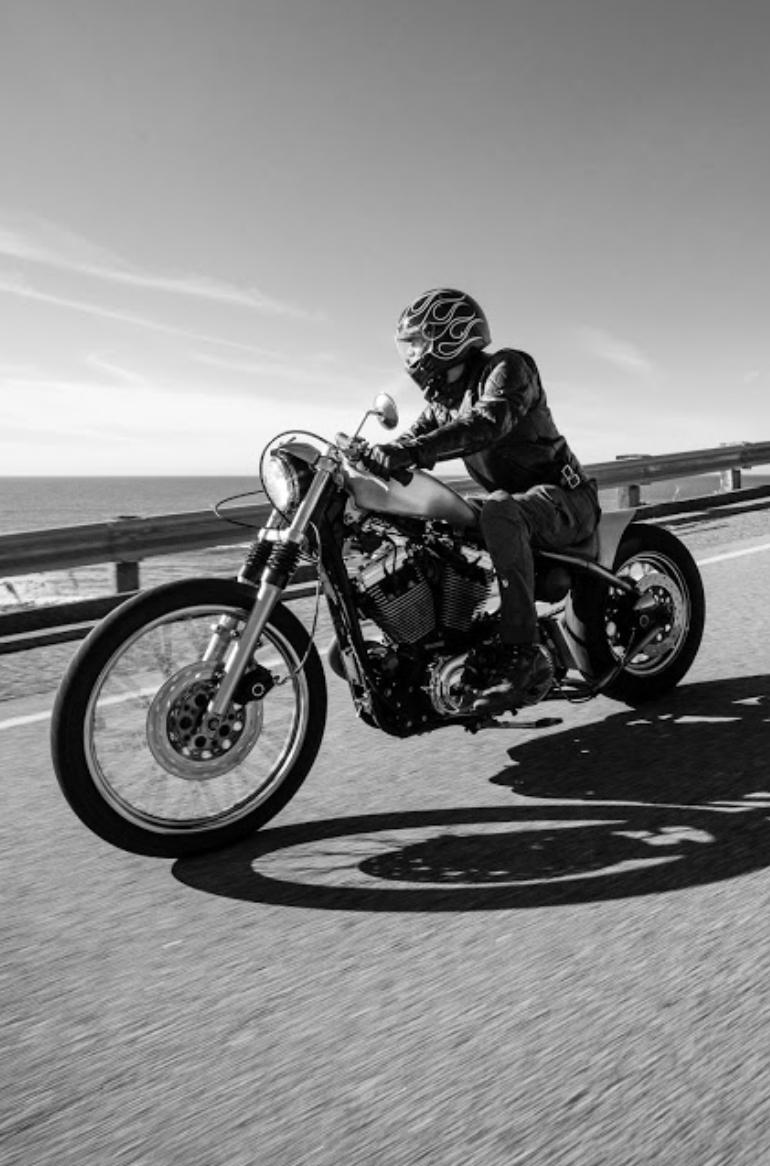
Photo Courtesy of Mr. Pixelhead @mr_pixelhead
GoPros: Photographer, Erik Jutras, from here on referred to as his Instagram moniker, Mr. Pixelhead says, “GoPro cameras have come a long way—higher resolutions, frame rate, and its light weight make this a great option to go if you want to capture your adventures from the road.” For obvious safety reasons, he recommends configuring your settings before you ride (not while riding!). He adds, “I found it useful to use GoPro’s remote and mount it to my handlebars to start it taking images on timelapse.” Another alternative is to mount it to your helmet. Mr. Pixelhead says, “I don’t recommend doing this if you’re not completely comfortable riding your bike yet.”
Drones: What drones lose in fine tuning and accuracy in your photos, they make up for in vantage points. Shooting from above offers a unique way to capture the beauty of a rider and bike leaning into the turns on a twisted road (obligatory product placement). And while you do get what you pay for, you can grab a decent drone without spending your kids’ college funds. Mr. Pixelhead says, “DJI’s Spark won’t have the battery life or speed to follow a rider doing 30 mph, but it’s adequate to capture some great scenery from above and will set you back in the range of $400.” He notes that the model folds down small and is super-packable, perfect for long moto trips. He personally uses the DJI Mavic and says, “As you can’t zoom with some drones’ onboard cameras, you’ll have to plan out your shot angle and camera capture settings and hopefully you have patient friends to do laps for you!”
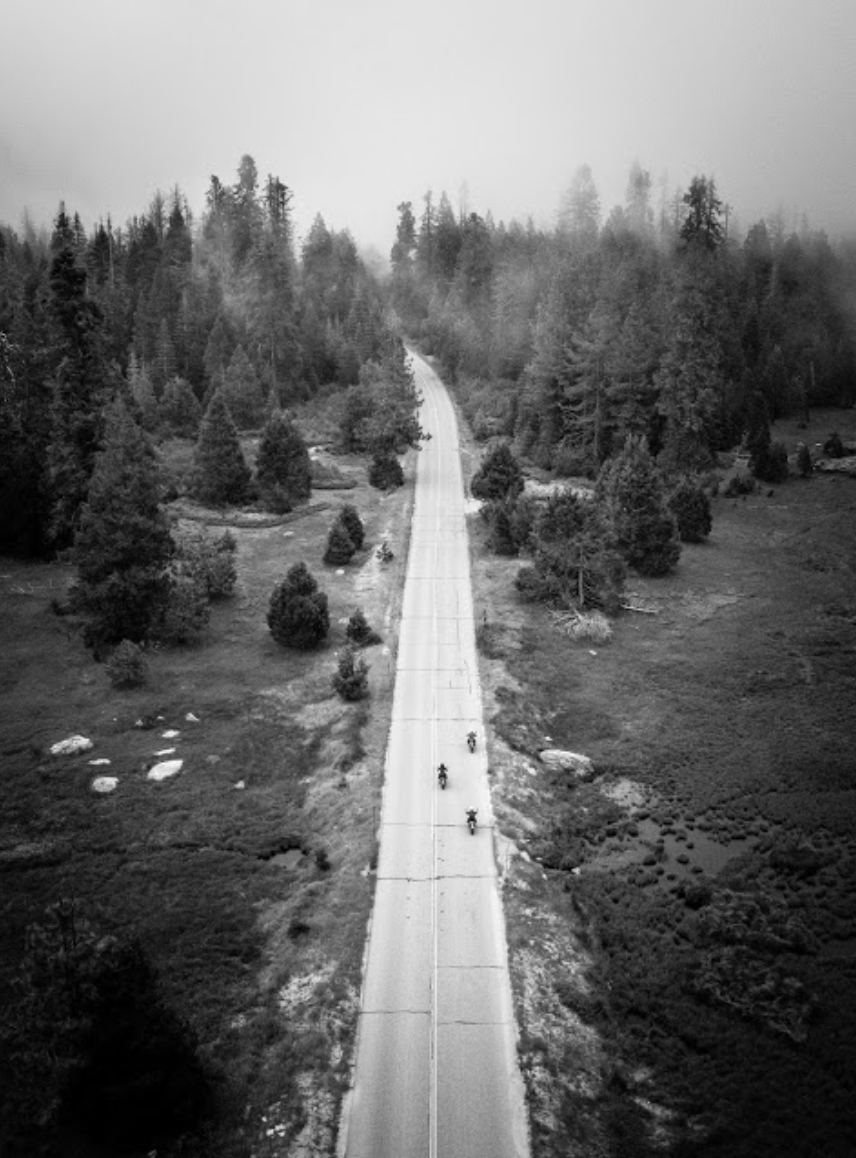
Photo Courtesy of Mr. Pixelhead @mr_pixelhead
2. By Failing to Prepare, You are Preparing to… Well, You Know the Rest
You can have all of the fancy high-priced equipment in the world, but it won’t matter if you’re snapping pics of a filthy ride. If you’re trying to capture your motorcycle in all of its still beauty, best make it gleam first. Photographer Claude Rocha says, “A clean bike will shine and grab more attention, and will ensure that the photos you take of your rod will look their absolute best and stand out when renters are browsing Twisted Road.”
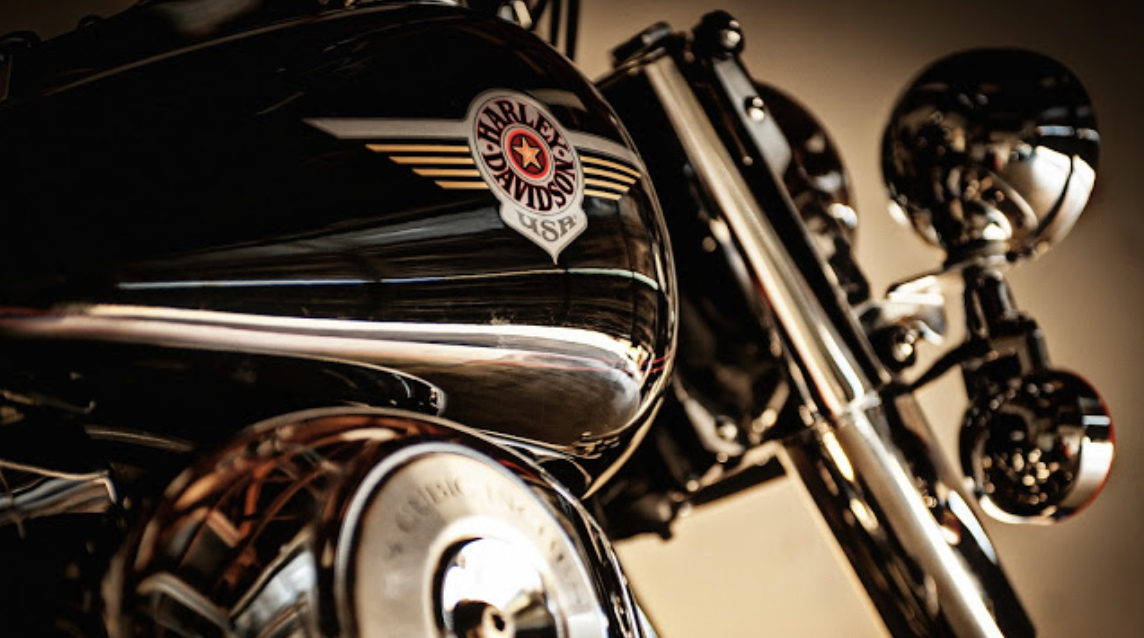
Photo Courtesy of Claude Rocha @lifeonclaude9
But, if it’s an action shot, we expect a little dirty evidence of a road well-traveled. Rocha concedes, “One or two photos of your KTM ripping through the mud is okay however.”
3. Only Light Can Drive Out the Dark (though the dark can be fun too)
A perfect photo often depends on perfect lighting. Too dark and we can’t make out the handlebars from the branches of the tree behind the bike; too bright and your pic will be washed out. It’s best to avoid harsh lighting like that given by the midday sun. The photographers we spoke to agree that the best times for good light are: the first hour of the day, right after sunrise and the last hour right before sunset.
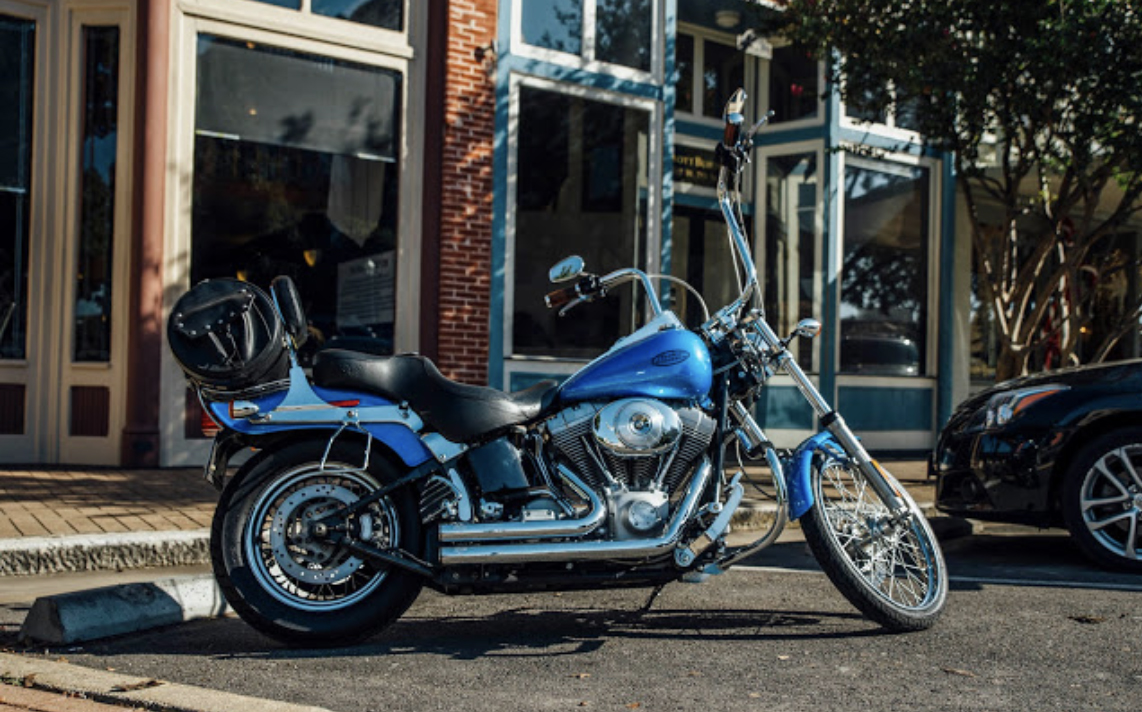
Photo Courtesy of Katie O'Connell @thekocomoto
Photo pro Katie O’Connell says that during those hours, “The light is soft and won’t make harsh reflections off the metal of the back.” Photographer Dalton Campbell adds that those times offer the best directional light and color for your outdoor photos. But if you’re stuck shooting midday, he says to “find a cool parking garage or a shaded spot.”
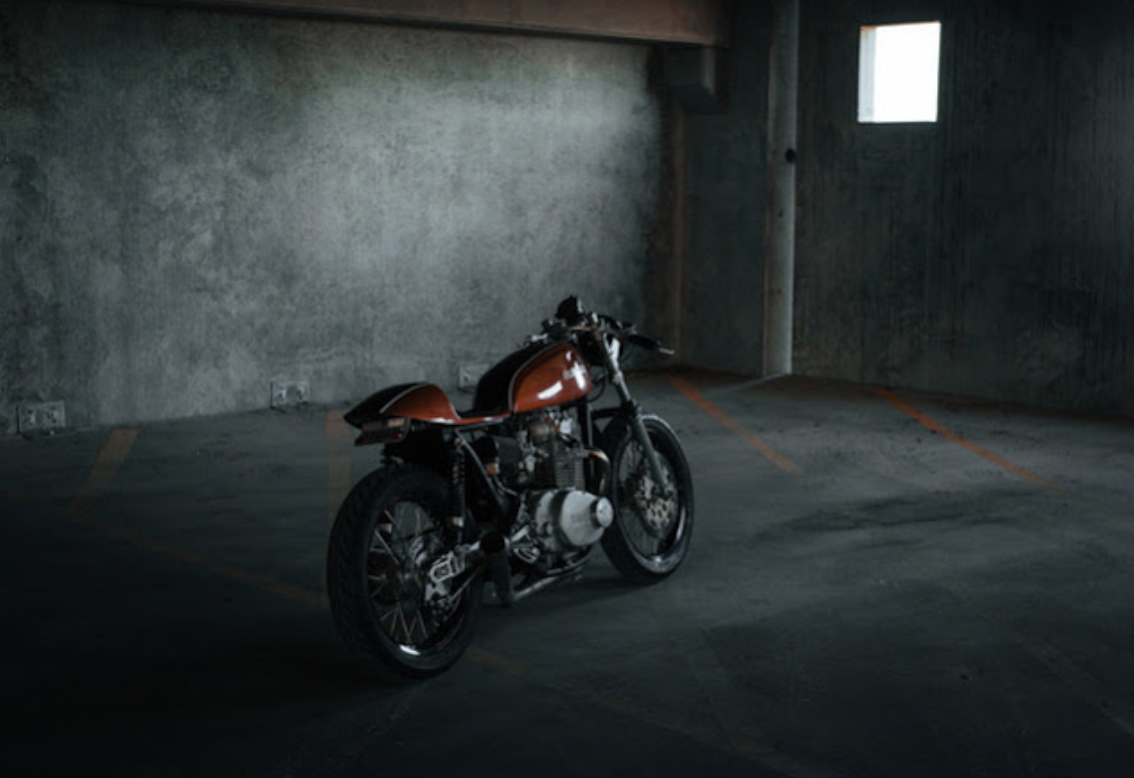
Photo Courtesy of @_daltoncampbell_
Rocha encourages you to “stalk the sun.” He says to experiment by moving your bike to get different light and to move yourself to discover the best angle of light. “What we’re aiming for is nice EVEN lighting on your bike.”
4. Location, Location, Location
When looking for a cool spot to pose your bike, consider backdrops that won’t compete with the intricate beauty of your machine. Rocha says, “Maybe you finally found some good light, but LOOK BEHIND the bike. Are there any distractions that take the eye’s focus away from the bike, like bright colorful objects or clutter?”
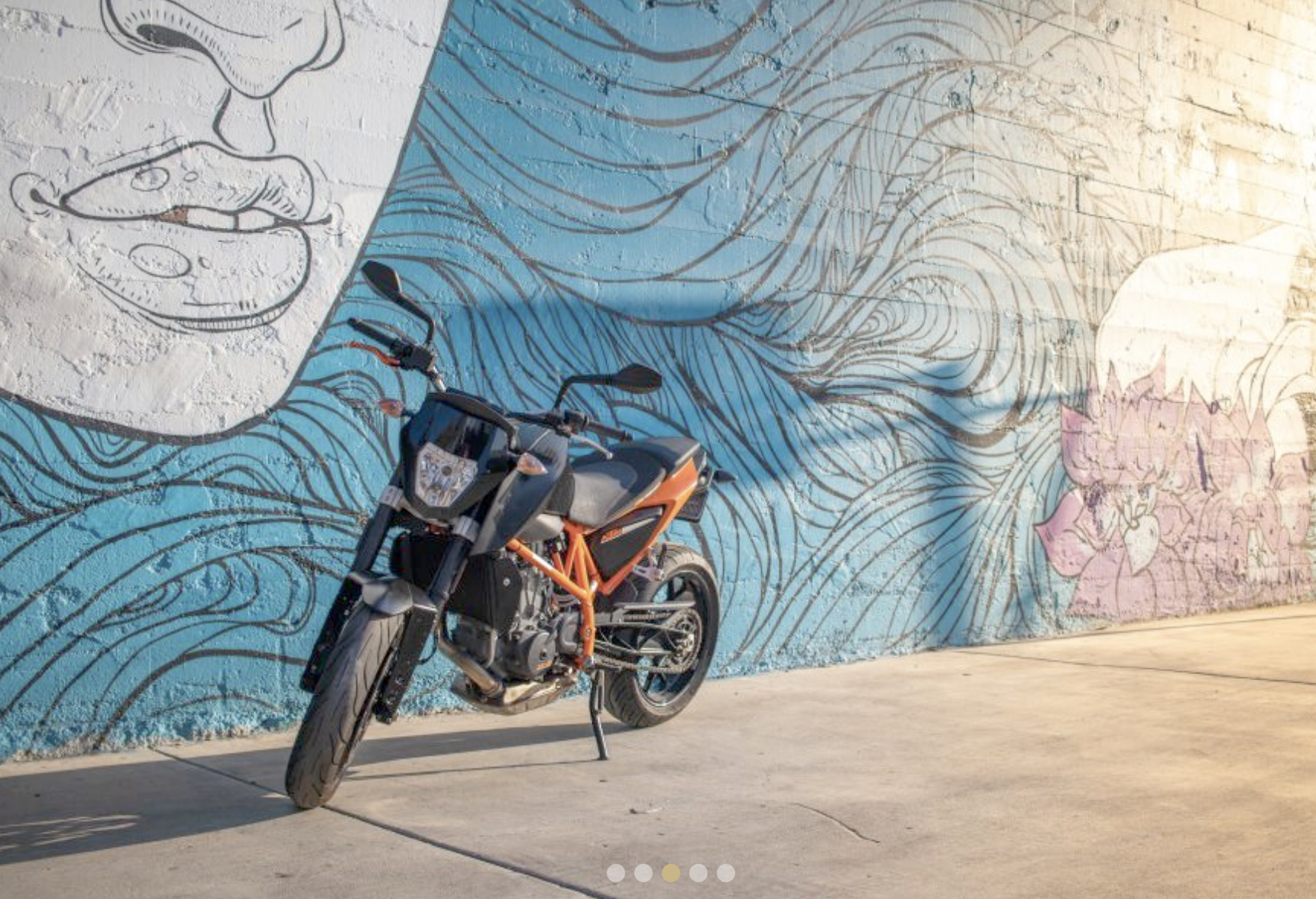
When scouting locations, O’Connell prefers open spots like a back road or photographing a bike a against a cool building in the city with a simple facade. She says, “I always like finding cool local coffee shops.
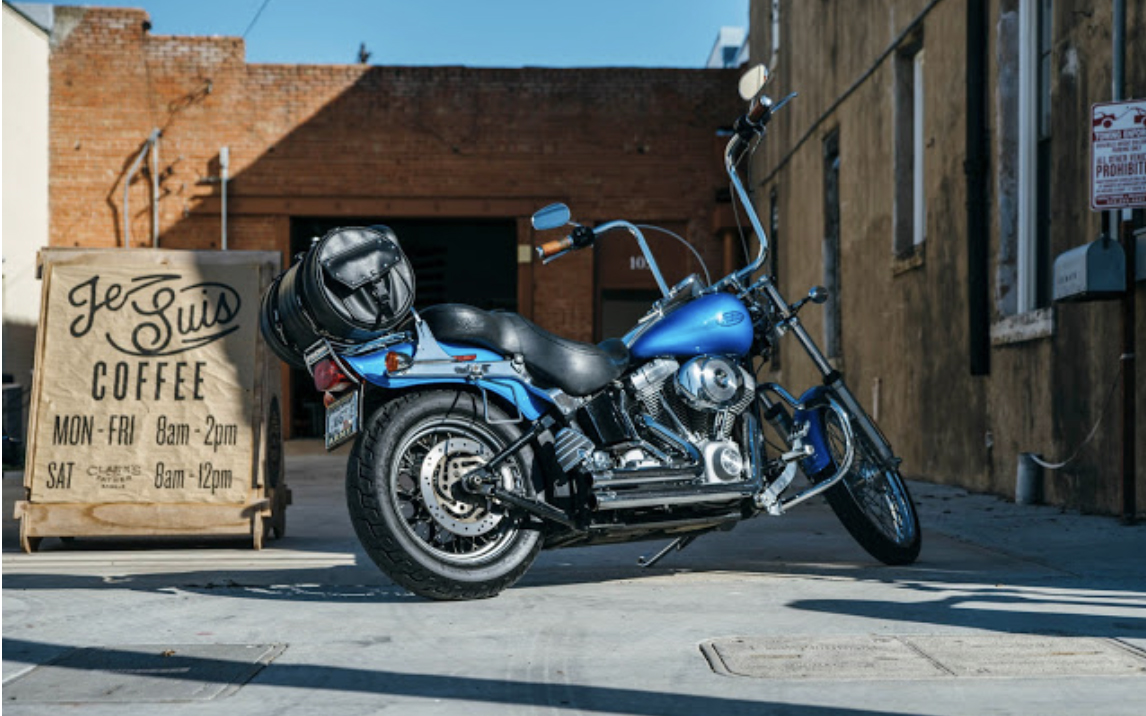
Photo Courtesy of Katie O'Connell @thekocomoto
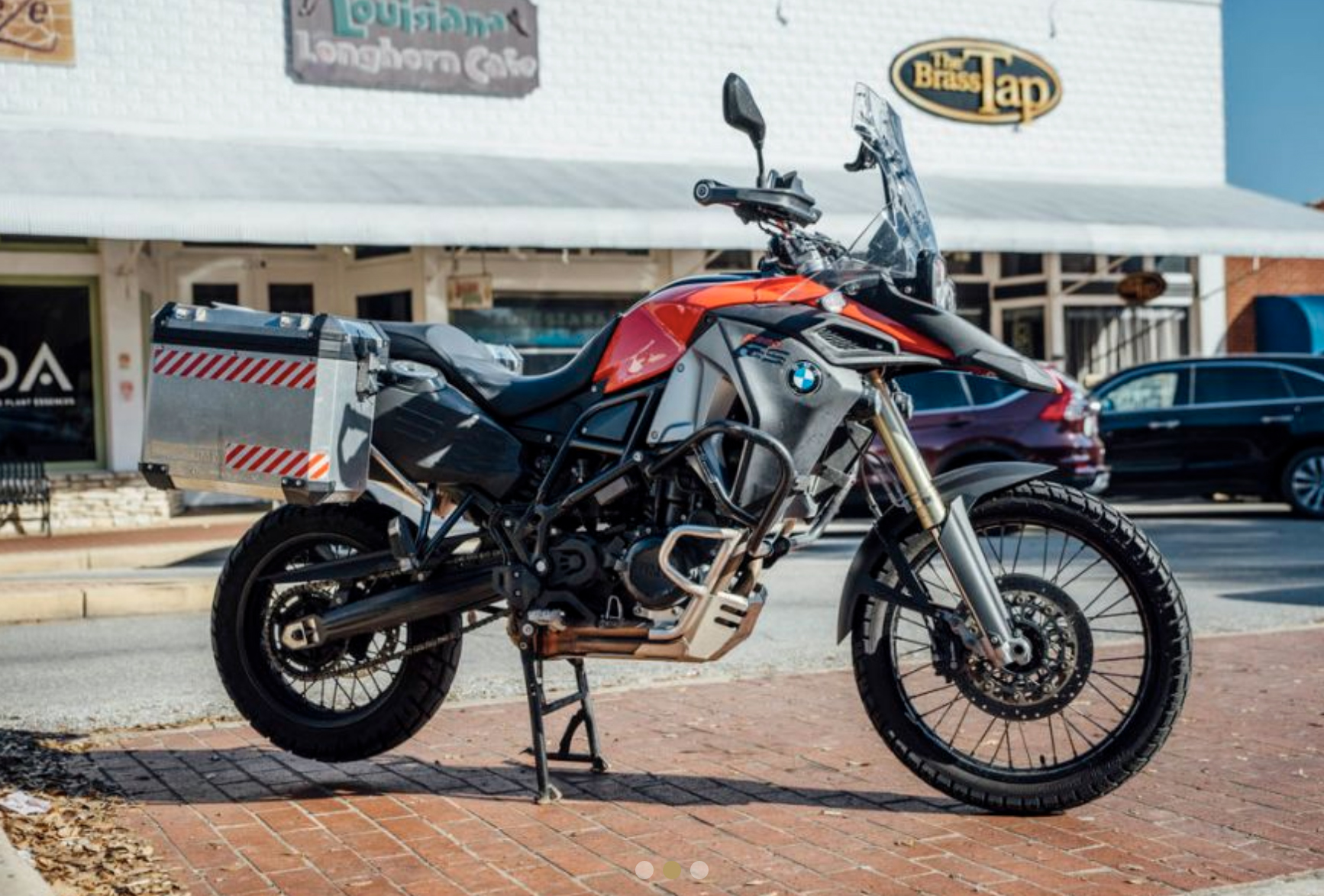
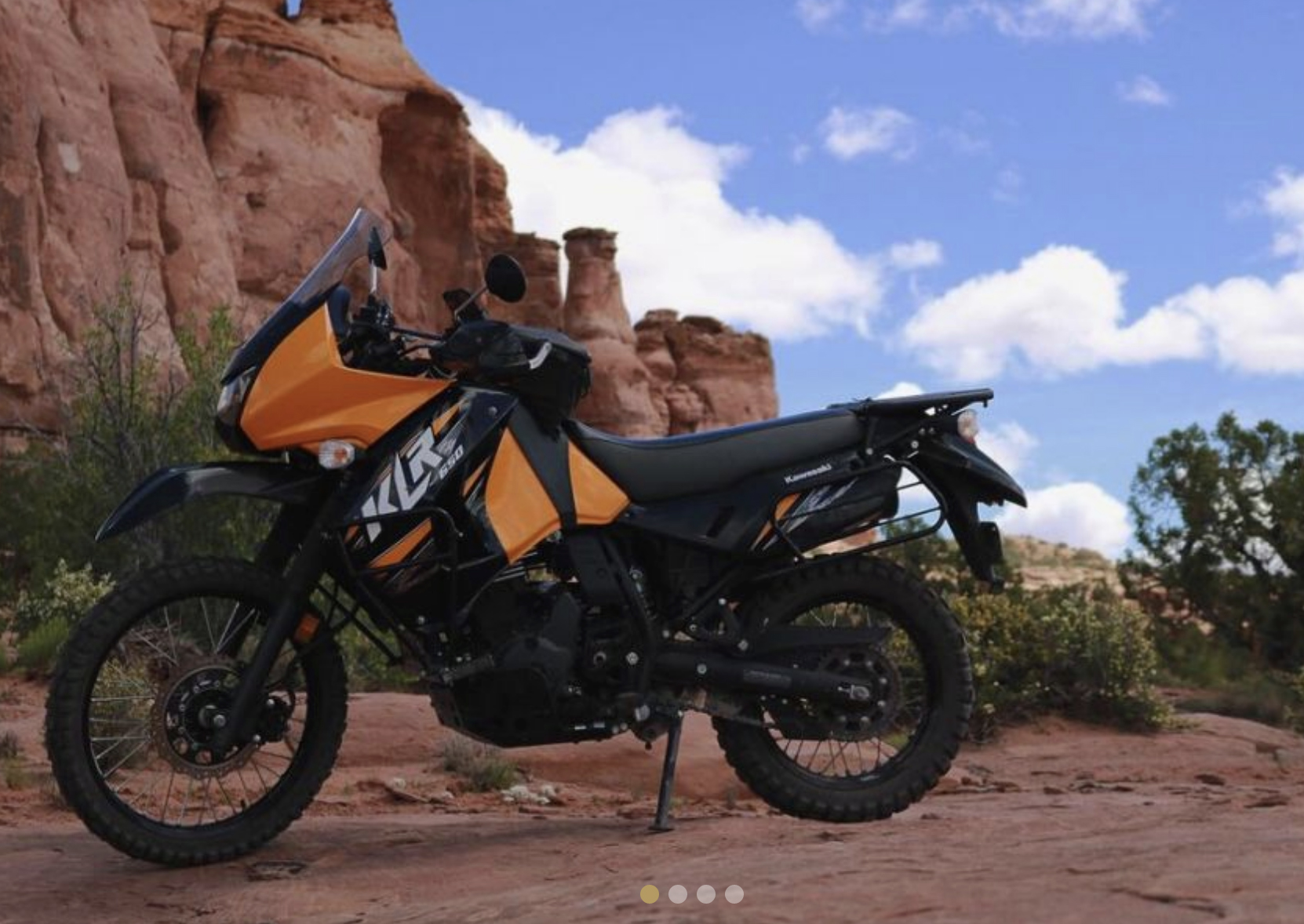
Consider your type of bike and the type of riding that will be done on it. Campbell suggests choosing a backdrop that helps sell the location and style of riding that your bike will provide. He says, “A city scene or a country scene can help the possible renter visualize their experience.”
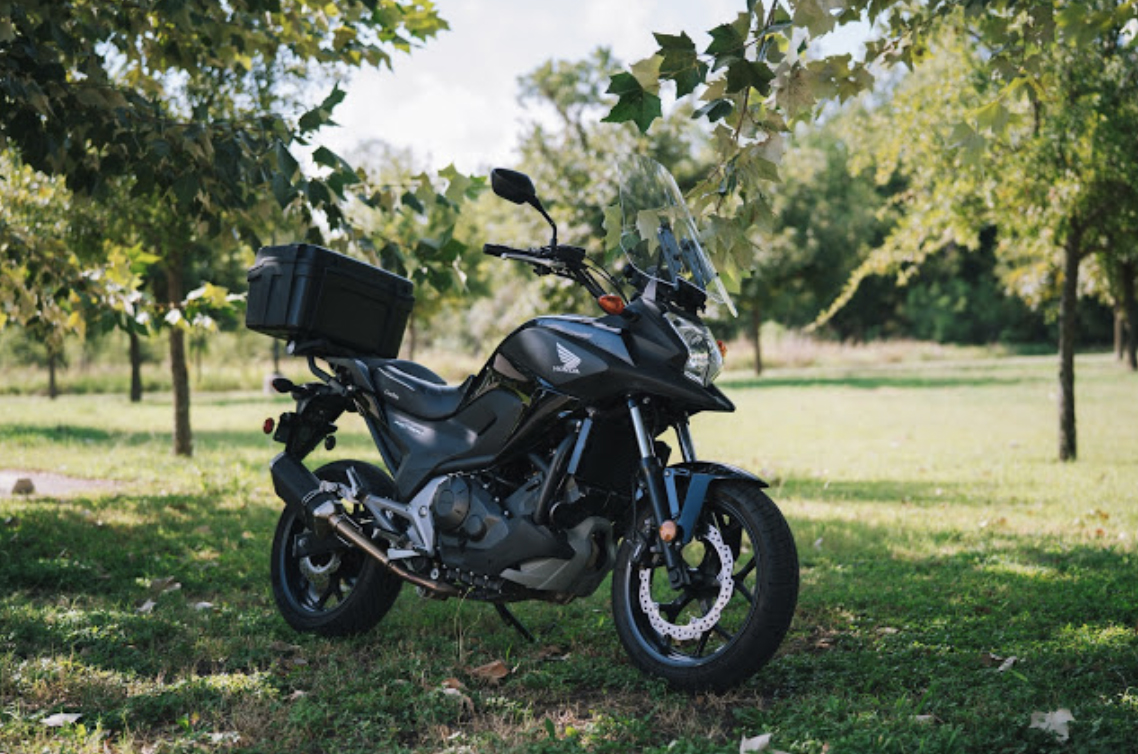
Photo Courtesy of Dalton Campbell @_daltoncampbell_
For example, Rocha says, “Those mountains behind your BMW touring bike might just be the perfect compliment.” He strongly urges (how else to describe his all caps?): “LEAVE YOUR GARAGE! Unless you have an awesome garage with amazing lighting like it’s some sort of Jack Daniels commercial.”
However, if you do happen to be stuck with a boring background, heed Mr. Pixelhead’s advice: shoot with a shallow depth of field which will leave your subject mostly in focus and blow out the background with blurry goodness.
5. Frame Your Photo Before You Frame Your Photo
When it comes to photo composition, Rocha uses the “rule of thirds” -- where the bike takes up about 33% or ⅓ of the photo -- to create a balanced frame where the bike isn’t too small or too overwhelming in a photo. Specifically, he suggests, “Take a step back, snap, then a step forward and snap again. Compare the photos. You’ll immediately know which ones look good.”
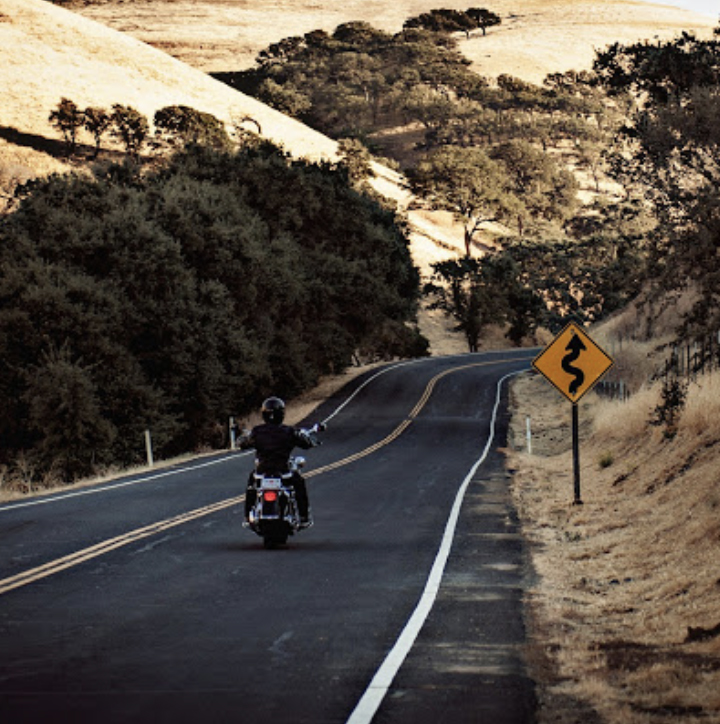
Photo Courtesy of Claude Rocha @lifeonclaude9
Mr. Pixelhead likes the rule of thirds for its ability to show motion and to create a mood. He says, “If your subject is riding towards you, you can capture them in the left ⅓ of the frame which draws your eye to the right side of the composition—where they’re headed.” This type of framing emphasizes movement. He offers the alternative of framing the subject in the right ⅓ of the composition which will instead draw your eyes left towards the background which creates a different feel.
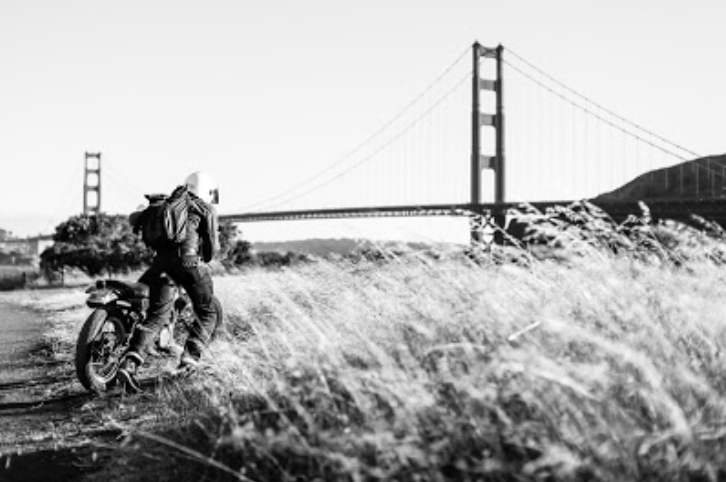
Photo Courtesy of Mr. Pixelhead @mr_pixelhead
Another way to frame photos is to use the elements around you to create a literal frame around your bike. For example, Mr. Pixelhead says, “If you’re shooting from a low angle in some tall grasses, or you happen to be by a wall, try including those elements in the shot as it can give your viewer a fly on the wall kind of vibe.” He also suggests shooting through a window and keeping the window in the shot to give another layer of dimension to your composition.
6. Getting the Right Angle on the Curves
“Just like us, bikes have certain angles that are better than others,” says Rocha. Our photographers agree that the key is movement—specifically, for you to get up and move. Walk around your bike. Move in close, step farther back. Shoot from high and low in a circle around your bike.
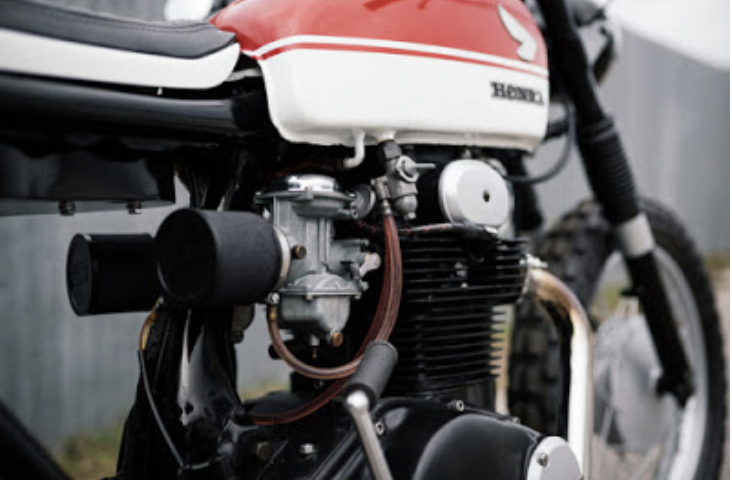
Photo Courtesy of Dalton Campbell @_daltoncampbell_
Rocha says, “Park your bike, take a walk around it and you’ll notice that certain angles will look better than others. Often the best photos of bikes are taken from 5 to 10 feet back and somewhere between 9 to 12 o’clock on the bike, if the bike’s front tire is facing 12 o’clock.”
For a new angle, O’Connell suggests, “Try to shoot your motorcycle from a perpendicular spot. Squat down to be eye level with the bike and then shoot 360 degrees around it. Don’t be afraid to move in close or even step back a few extra feet.”
Campbell reminds us that once we capture the beauty of the entire bike that we should “make sure to get closeups of the cool details. The cooler you make your bike look, the better the chances of rental.”
Focus on the little things that make your bike unique. Mr. Pixelhead says, “Each bike has its own personality and stance. Capture that which isn’t obvious, and I guarantee you’ll come away with some unique snaps. Keep an open mind and open eye for the unconventional aspects of a moment.”
7. People in their Native Habitats
Just like the background of a photo can suggest a narrative, so can including a person. People bring with them a whole range of expressions from serious to joyful and can bring feeling to your pics. Including a single person can show the solitary, meditative nature of riding, while a pic of a group reminds us of the social aspect of finding others who share our passion.
Campbell says, “I personally like to show my bikes with other like-minded riders. Most of us ride to connect. Help the viewer see that with additional shots including people. I will even include friends sometimes to make the bike more desirable.”
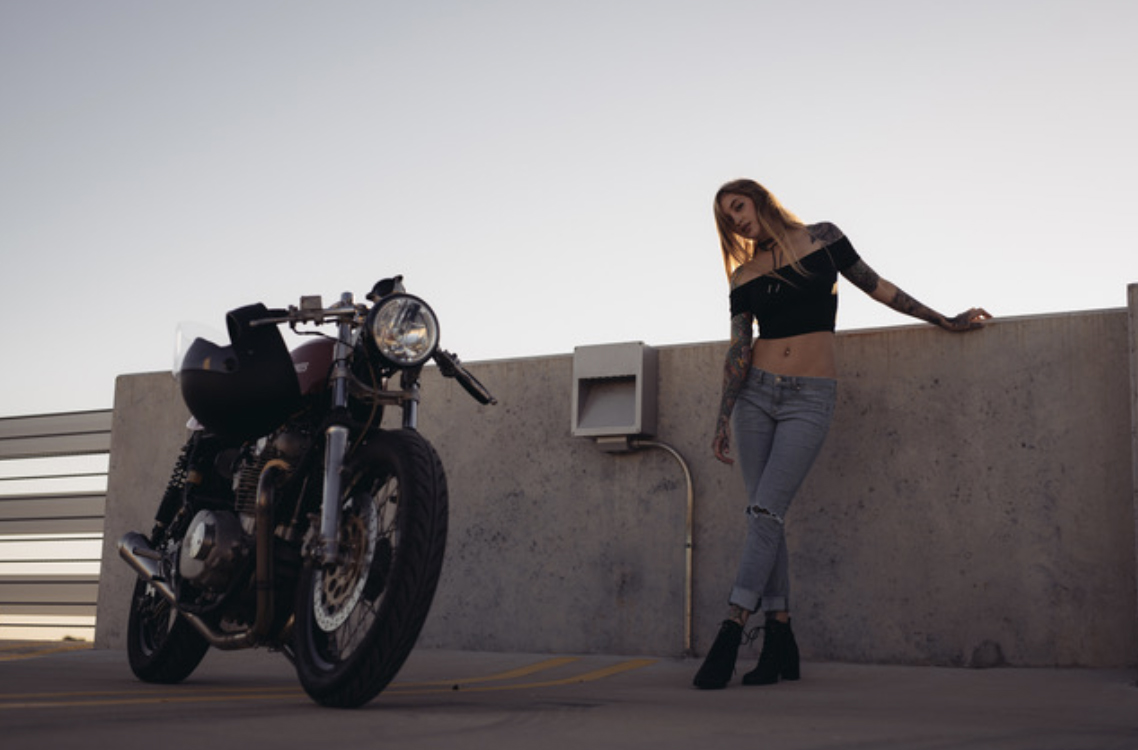
Photo Courtesy of Dalton Campbell @_daltoncampbell_
Meanwhile Mr. Pixelhead likes to compose shots that emphasize the connection between a rider and their bike. He says, “For example, a rider’s grip of the handlebar, or their foot planted on the ground as if they’re about to speed off. Or elements of the rider themselves -- what makes this particular rider a friggin’ badass?”
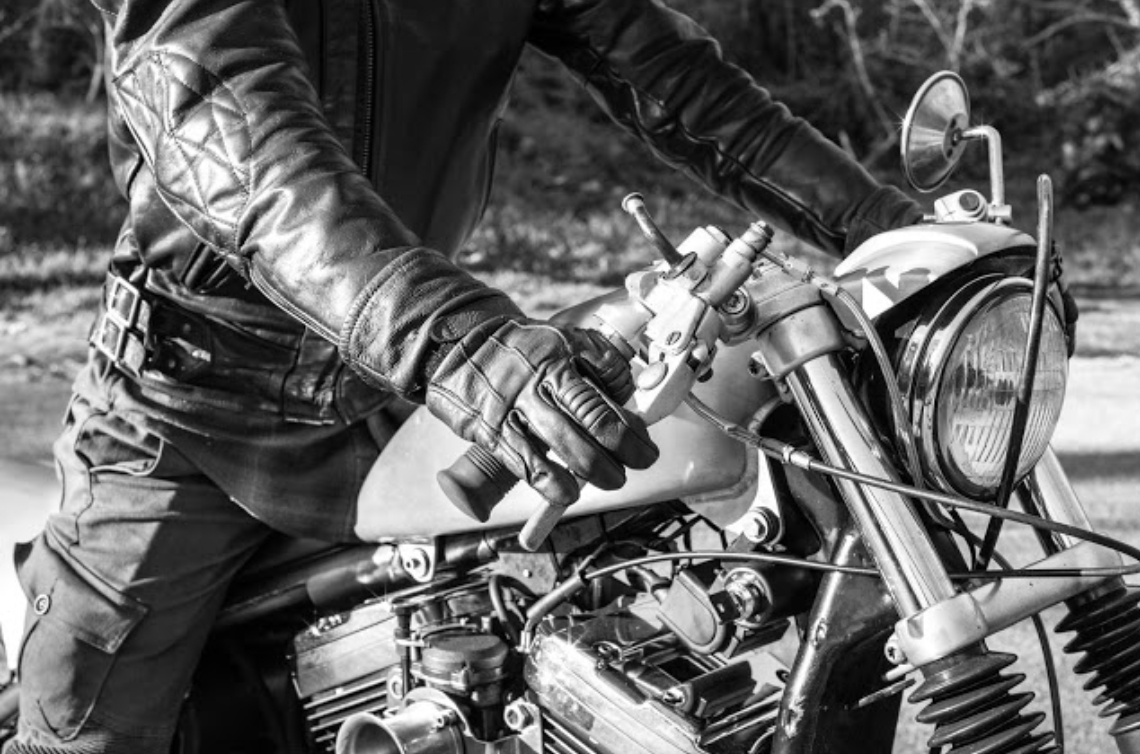
Photo Courtesy of Mr. Pixelhead @mr_pixelhead
8. The Art of Storytelling
Fully-realized photographs tell a story. As discussed, everything in the frame matters, from the state of the bike to the expression of the person astride it. While it’s easy to snap some pics of your bike leaning in your garage, the only story that’s telling is that you’re too lazy to roll it outside.
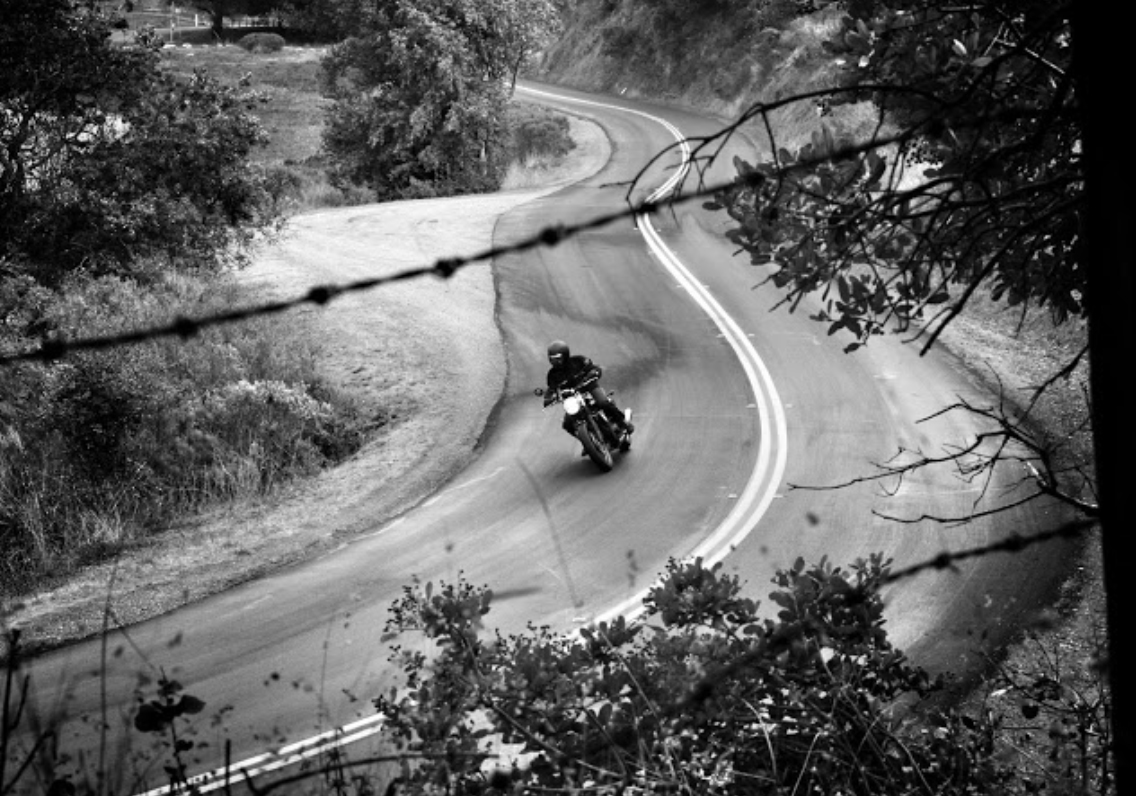
Photo Courtesy of Mr. Pixelhead @mr_pixelhead
Rocha has some creative ideas for finding settings that help you tell the story of your ride. He suggests perhaps a graffiti wall behind your Ninja or an urban setting for your sport bike. Try shooting your BMW at sunset with the red rocks of the Moab behind you.
Strive for photos that speak to the story and character of your bike -- show us where you ride and why you love it. Showing us where we might go on your bike transforms metal and motor into an experience.
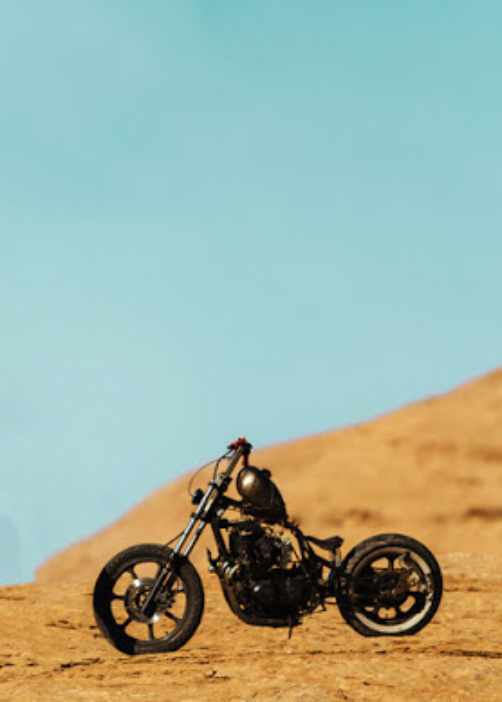
Photo Courtesy of Dalton Campbell @_daltoncampbell_
Rocha says, “We ride bikes for those magical moments, to get in that flow of riding that we all know and love. Renters that will be riding your bikes will be looking for a special experience and a story to tell of the amazing place that YOUR BIKE will take them to, and your photos should inspire and galvanize those feelings and that sense of adventure.”
9. Sometimes Life Needs Editing
With digital photography, editing has emerged as a not-to-be-forgotten component of great shots. Mr. Pixelhead views it as another opportunity to get even more creative or to make adjustments if you happened to over- or under-expose a shot.
But he acknowledges, “Obviously there’s an overwhelming amount of info out there as to what you can do with editing software such as Lightroom or even Photoshop’s Camera RAW. The most important thing with getting the most use out of these is first off making sure that you’re shooting your images in .RAW rather than .JPEG format.” This change will give you greater editing flexibility though Mr. Pixelhead notes that not all cameras offer this option (something to consider if you’re in the market for a new one). If you do shoot .RAW, make sure to have a few large capacity memory cards because they boast larger file sizes and will eat up storage space fast.
In terms of Lightroom, Mr. Pixelhead likes that they have a mobile app for when you want to edit shots on the go. He says, “You can easily sync it with your desktop software, so you can use all of your same image presents. VSCO and Snapseed are also terrific mobile image editor apps.”
O’Connell reminds us not to over-edit. We’ve all seen those impossibly rich sunsets our friends have posted with colors not actually found in nature? They’ve over-filtered! O’Connell cautions against using too many filters and suggests that you try to keep all of the colors natural. However, she says, “Edit to boost clarity and contrast a bit to help your motorcycle pop out of the photo.”
Above it all, don’t forget to have fun. Experiment with your camera settings, backdrops, angles, lighting and editing. Make mistakes -- sometimes those reap the most interesting shots or give you ideas for others! Post your photos and tag @TwistedRoad, we’d love to see what you come up with!
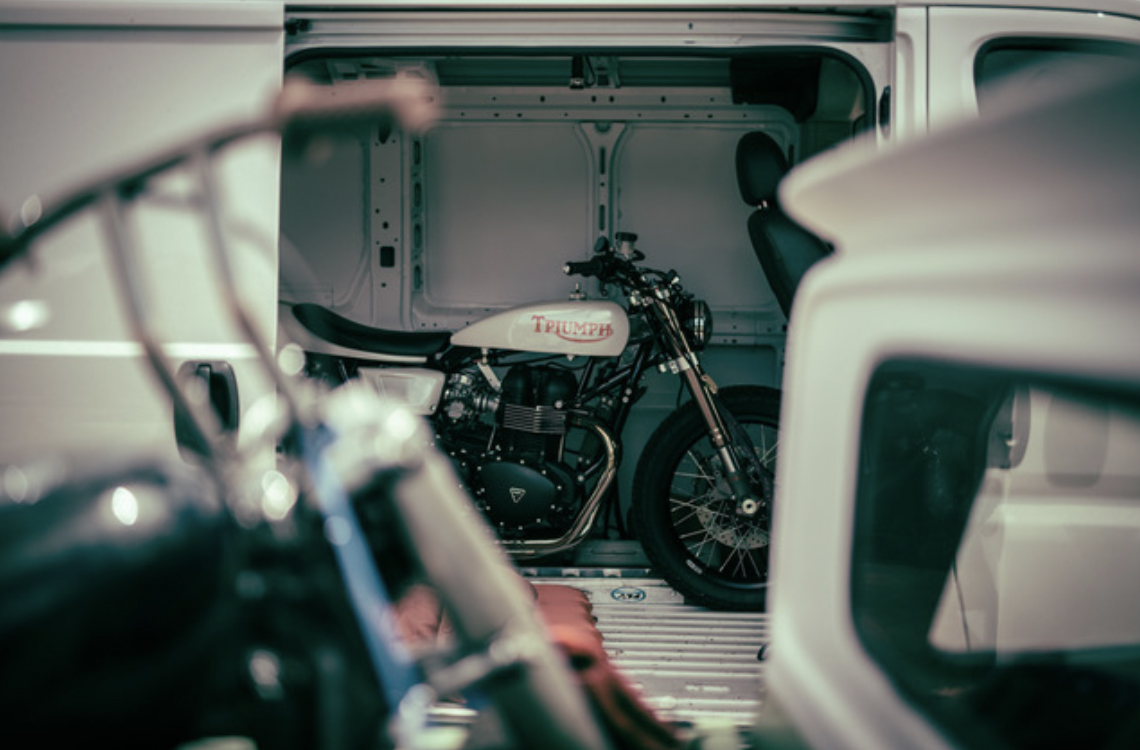
Photo Courtesy of Dalton Campbell @_daltoncampbell_
Check Out These Beauties for Rent on Twistedroad.com
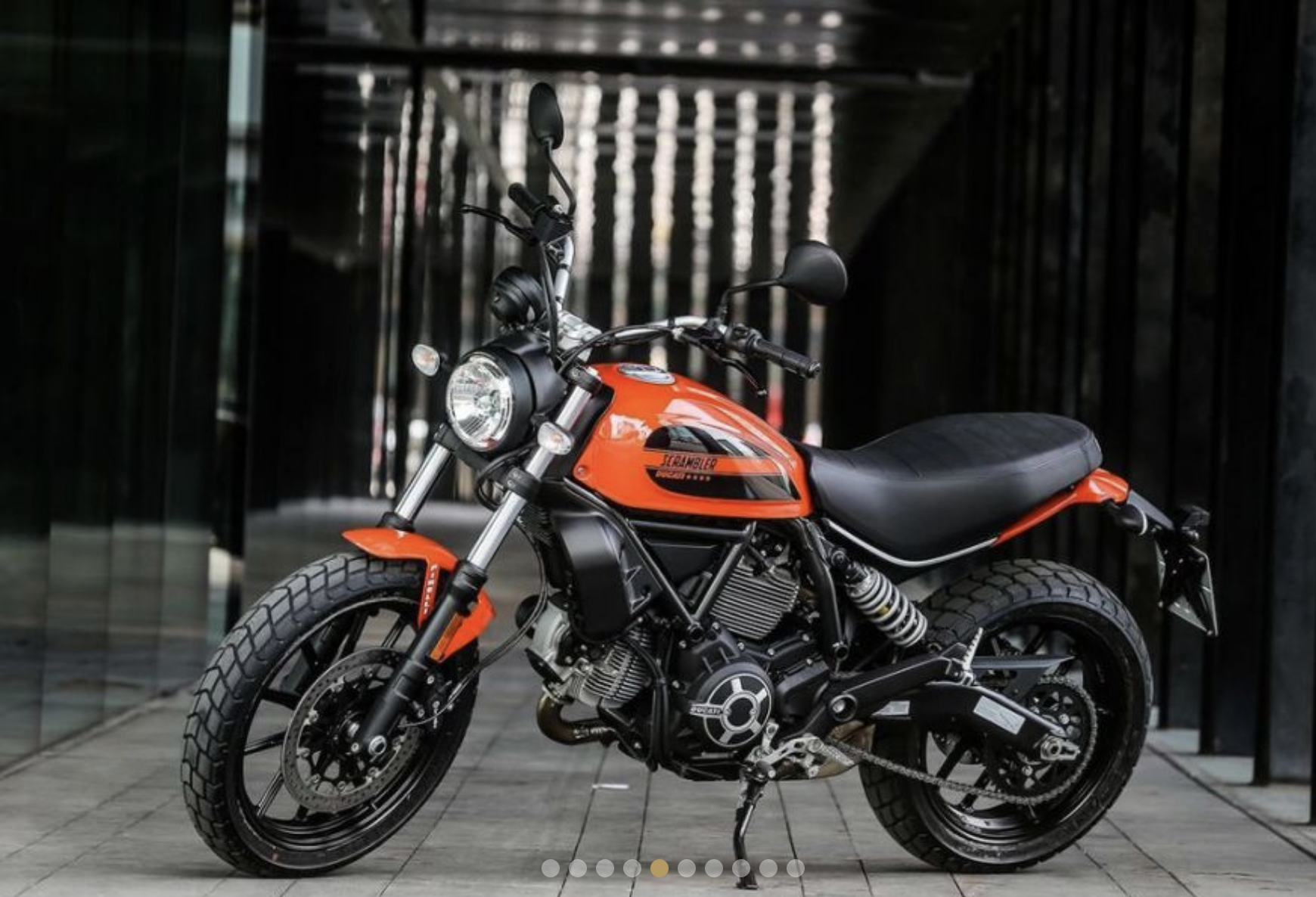
2017 Ducati Scrambler Sixty2 Los Angeles, CA -Daniel R.
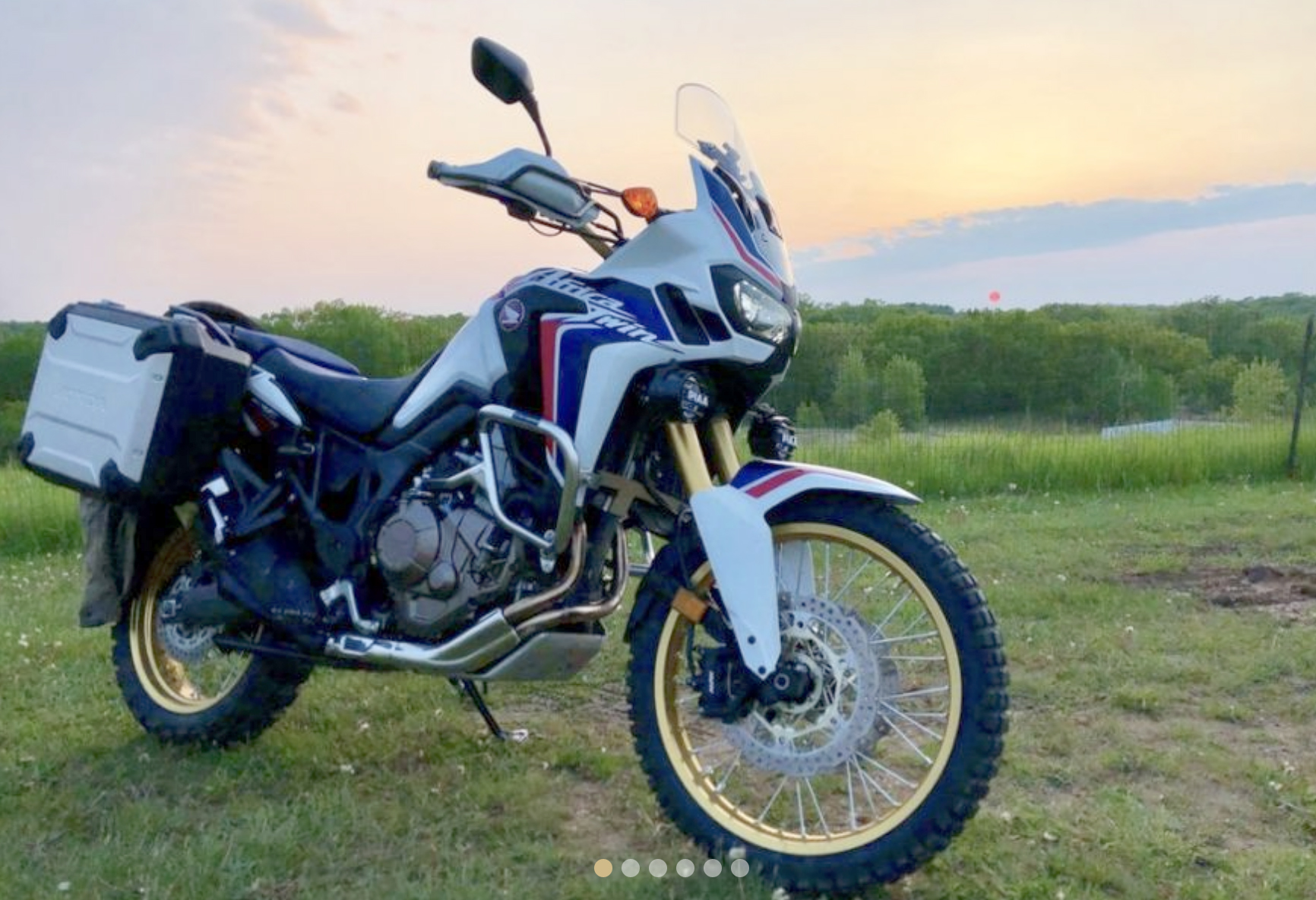
2017 Honda Africa Twin Enduro Sports Concept Glenview, IL -Jason S.