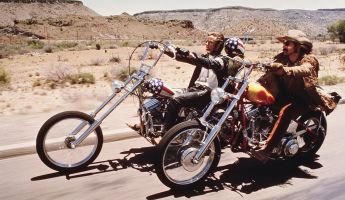


When the thermometer slips into the 60s and 50s, most riders call it quits. On the East Coast and across the upper Midwest, garages start filling up fast. By mid-November, nearly all my northeast friends have their bikes tucked away, and only a handful squeeze in a few mild November runs.
December through March is where the real separation happens. Only a small tribe keeps riding, and I’ve been part of that group for the past twenty years. If the roads aren’t icy and the snow isn’t falling, I’m out there. Some days are brutal, especially when the air drops into the teens or single digits, but with the right preparation and mindset, cold-weather riding becomes its own kind of adventure.
This guide walks you through everything that matters when the temperatures fall. You’ll learn how to prep your motorcycle, choose the right winter gear, adjust your riding technique, and manage the unique safety factors that come with winter conditions.
Don’t let cold air shut down your season. With the right approach, you can ride longer, stay safer, and make winter a lot more tolerable. And if you need a break from the deep freeze, there’s always the option to head south or west and rent a motorcycle for a warm-weather reset.

Preparing Your Motorcycle for Winter Rides
Before venturing into the cold, ensure your motorcycle is prepped for winter's challenges. And besides the salt that you should wash off your bike religiously, there are plenty of challenges.
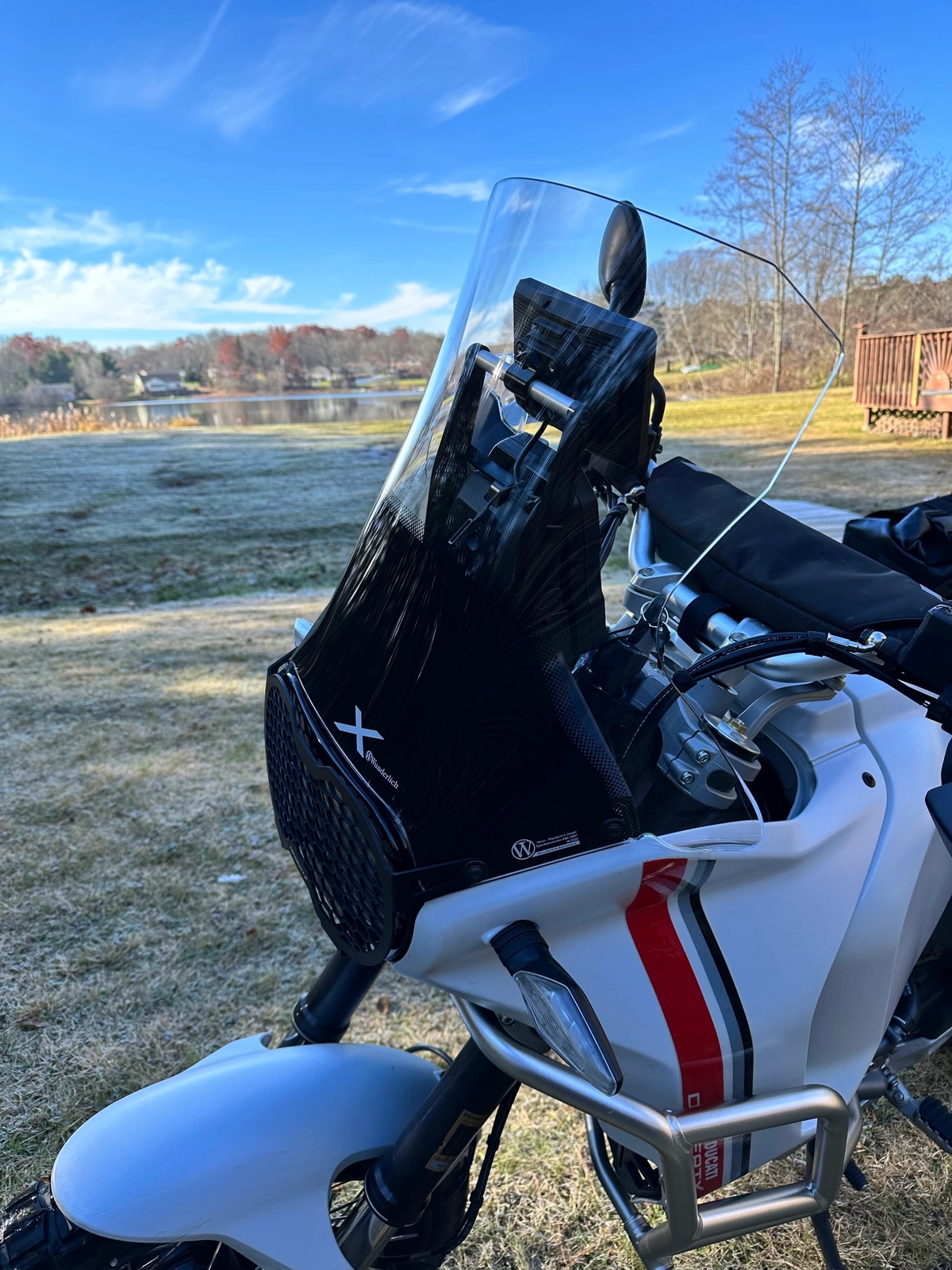
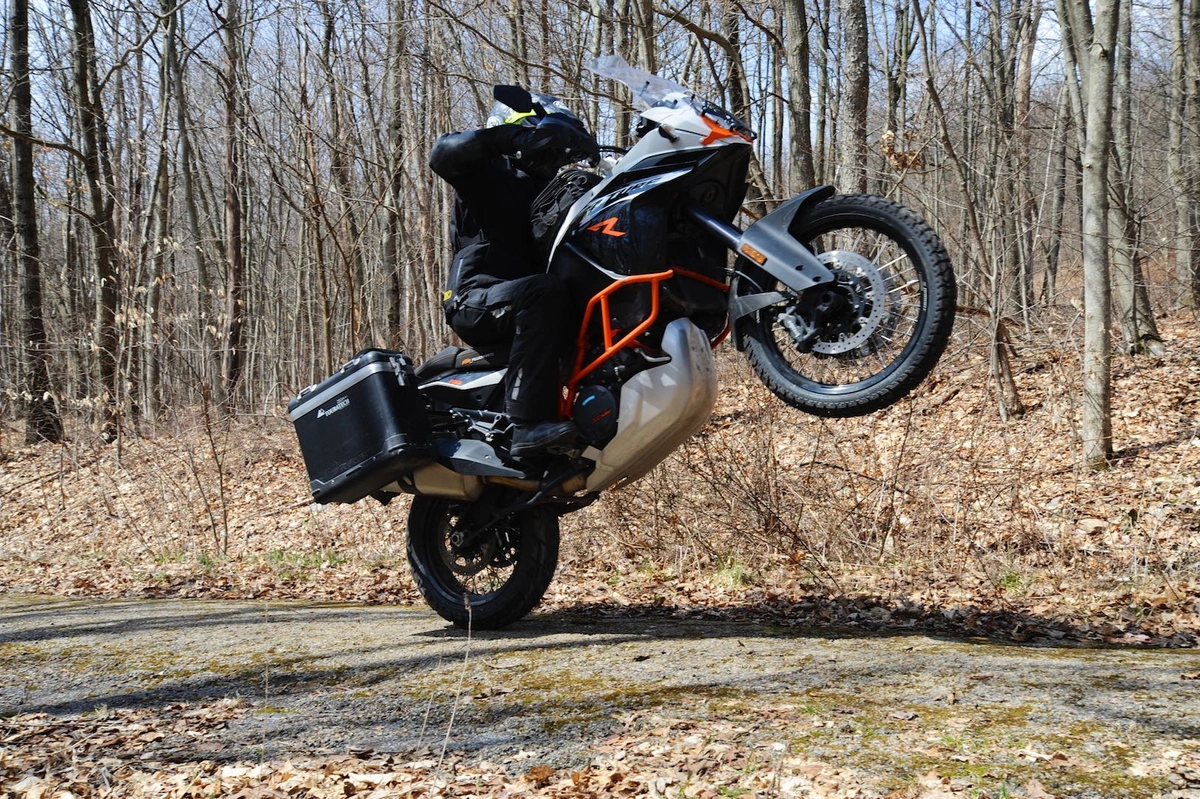
This year, I will use my Ducati DesertX as my go-to winter bike, which will help me fulfill some off-road needs during the colder months. An absolute must for winter is heated grips. The DesertX has them from the factory, but many aftermarket options are available (like Hot Grips or BikeMaster), and installation is straightforward.
Next is a much larger windscreen and handguards; the larger, the better. Many, like Touratech, have larger wind deflectors that can be removed for warmer weather, creating a win-win situation for all types of riding.
Ensure the antifreeze is fresh and your oil is topped off. If you’re in a super cold climate, check the OEM’s spec for weight. Some recommend a lighter oil weight for colder riding. Check that all hoses are in excellent condition; nothing is more frustrating than a busted radiator or hose when you're miles away from home and it's freezing out!
Adventure-style footpegs are also valuable, helping provide optimal grip regardless of how slick the conditions get. And as for tires—ensure they are in good condition and check the PSI ahead of every ride, every day. Temps around my riding area can vary by sometimes 15 degrees, which affects tire pressure. I’ll discuss more on tires below!
Have a heated seat? Even better. They always add an extra layer of warmth!
Maintenance Tips to Combat Corrosion
Winter roads expose your motorcycle to salt, grit, and moisture. Regularly washing your motorcycle and applying a protective coating can help combat corrosion. Washing removes corrosive substances, while a protective coating creates a barrier against the elements.
Treat your switchgear, electrical connections, and vulnerable metal parts, like your skid plate and chain, with ACF-50. This provides long-term corrosion protection.
Regularly inspect exposed nuts, bolts, fasteners, and brake pins for rust. Keep them in optimal working condition during winter.
Gearing Up for the Cold: Essential Winter Riding Gear
Effective cold-weather riding gear provides insulation, weather protection, and comfort. Remember, being uncomfortable is unsafe.
If you’re distracted by a tight glove or shoulder, you can crash.
With that said, here are some tips.
Layering for Warmth and Comfort
Layering allows riders to adjust clothing to changing weather riding conditions.
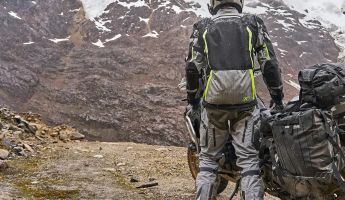
Start with a moisture-wicking base layer, available from many top players, including Touratech and Alpinestars. A favorite of mine is the Touratech Primero Alpine underlayers; they’ve been amazing for riding below the freezing mark and as an extra layer of warmth during colder camping nights.
Next, add insulating mid-layers like a fleece jacket or a lightweight "puffy" jacket.
Top it off with a waterproof, windproof outer shell. Gore-Tex is still a favorite and has never let me down.
|
Layer |
Purpose |
Recommended Material |
Example |
|---|---|---|---|
|
Base Layer |
Wicking away moisture |
Polypropylene and Polyamide |
FXR Endeavor |
|
Mid-Layer |
Insulation |
Fleece or down |
Lightweight "puffy" jacket |
|
Outer Shell |
Protection from wind and rain |
Waterproof and breathable material like Gore-Tex |
Textile motorcycle jackets |
A long-sleeved t-shirt or light sweater makes for good additional insulating layers during cold and cold weather riding. These extra layers make riding in colder weather possible, with a little more warmth during winter.
Protecting Your Extremities
Regarding Gore-Tex, the same should be said for winter riding gloves. My go-to winter gloves are from Klim, such as their Badlands series that use Gore-Tex. This says much about the company; its Badlands suit is also my go-to for both winter and summer riding.
Waterproof winter boots and moisture-wicking socks are also a must. The list is endless here, but my go-to boots are the Touratech Destino Ultimate GTX Adventure boot paired with thick, knee-high Fox Racing socks.
Although I don’t use it personally, many riders rely on heated gear. There are plenty of options available nowadays. A few friends swear by Gerbing and its 12V jacket liner or battery-powered options. Heated jackets, vests, gloves, pants, and socks provide extra warmth for cold-weather motorcycle riding.
And don't forget your head! A good motorcycle helmet with a chin curtain and fog-free shield is a must. A neck warmer and balaclava add another layer of protection.
Cold Weather Riding Techniques
Adjust your riding style in cold weather. Slow down and increase your following distance. Anticipate slower reaction times in yourself and other drivers.
Erratic driving often occurs during winter riding due to rapidly changing road surfaces and cold weather. An increase in the following distance may become necessary to allow riders to ride safely. And remember - psychologically, people are not used to seeing motorcycles in winter. So now you're even more avoidable. Taking extra precautions can make a significant difference.
Cold Weather Leads to Colder Tires
As temperatures drop, your motorcycle tires become colder, directly affecting grip. Cold tires offer reduced traction, and while riding does warm them up, even a short stop can cause them to cool down quickly, diminishing their effectiveness.
Regarding warming your tires efficiently, some riders might sway side to side, mimicking race car drivers. However, this technique isn't particularly effective for motorcycles. A more practical method is to perform brisk accelerations and decelerations—always mindful of the available traction. Applying firm brakes followed by strong throttle inputs generates heat more effectively than weaving and rapidly enhances tire grip.
Ensuring your tires have adequate tread depth for winter riding is also crucial. Skimping on tire quality is more risky than compromising on the safety of your helmet, especially in cold-weather conditions. The proper tread is essential for channeling water and slush away from the contact patch in wet or snowy environments, maintaining better traction on slick roads. My go-to winter tires for my adventure bikes are the Bridgestone AX41 and the Pirelli Scorpion Rallye STR, which both provide excellent grip—even when there is some snow on the ground!
Lastly, make it a habit to check your tire pressure before every ride. This step is vital during winter when optimal traction is paramount for safe riding. Properly inflated tires perform better and are less susceptible to damage from cold temperatures.
Be Mindful of Salt, Road Damage from Plows, and Black Ice
Salt on the roads isn't just corrosive to your motorcycle's metal parts—it also diminishes traction. Treat salt-covered areas as you would ice: avoid them whenever possible. I once low-sided a V-Strom because I entered a sharp corner too quickly and encountered salt on the road. Forced into a steep lean angle, my front tire lost grip, and I slid into a snowbank. Luckily, I walked away without injuries.
Remember that snowplows often leave behind road damage, creating new cracks and potholes that can be hazardous. These imperfections can be large enough to damage rims or cause pinch flats. Ensure your tire pressure is correct to minimize the risk of bending a rim.
Black ice is another hidden danger. If a surface even remotely appears icy, don’t take the chance. Some proper techniques can help you keep traction even in the snow, but nothing helps on the ice.
Regarding salt exposure, motorcycles aren't designed for winter conditions and can quickly develop rust. Whenever the sun is out, and roads are dry, take the time to thoroughly wash your bike to remove as much salt as possible. This is also an excellent opportunity to inspect your motorcycle for any issues.
Enhance Your Visibility and Increase Following Distance
Improving your visibility and the space between you and other vehicles is crucial in winter riding conditions. Looking further down the road helps you spot potential hazards before they become immediate threats. My rule of thumb is to scan at least 15 seconds ahead, which is especially important when cold roads offer reduced traction.
Maintain several car lengths between you and the vehicle ahead to expand your following distance. This extra space provides more time to react to sudden stops or obstacles on the road.
Tailgating is stupid in all weather, especially in the cold when traction is minimized. Consider that an experienced rider needs about 85 feet to stop from 35 mph under optimal dry conditions. Given that the average car is about 15 feet long, approximately five and a half car lengths are needed to come to a safe stop. Remember, the faster you travel, the more distance you'll need to stop safely.
Secure a Motorcycle-Specific Towing Service
Due to reduced traction, accidents are more likely in cold-weather riding. Ensure you have access to a towing service that specializes in motorcycles. Unexpected towing costs can be discouraging and deter you from continuing to ride.
As an American Motorcyclist Association (AMA) member, I benefit from their Roadside Assistance program, which comes complimentary with my annual membership. Their service providers are experienced in handling motorcycles, increasing the likelihood that your bike will be transported safely and upright.
Prioritize Safety When Snow Starts Falling
If it begins to snow while you're riding, it's best to head home promptly. Snow can accumulate quickly, creating extremely slippery conditions.
Keep a close eye on weather forecasts, and if there's any chance of significant snowfall, consider leaving the bike at home. Alternatively, you might explore riding with studded snow tires in controlled environments—ice racing, anyone?
Cold-weather motorcycle riding has its challenges. However, with proper preparation, you can enjoy riding during cold weather. Embrace the challenges, and enjoy memorable cold-weather motorcycle riding adventures. You must ride safely and prioritize staying warm and preventing frostbite with a good motorcycle, even in 40 degrees and warmer seasons.